
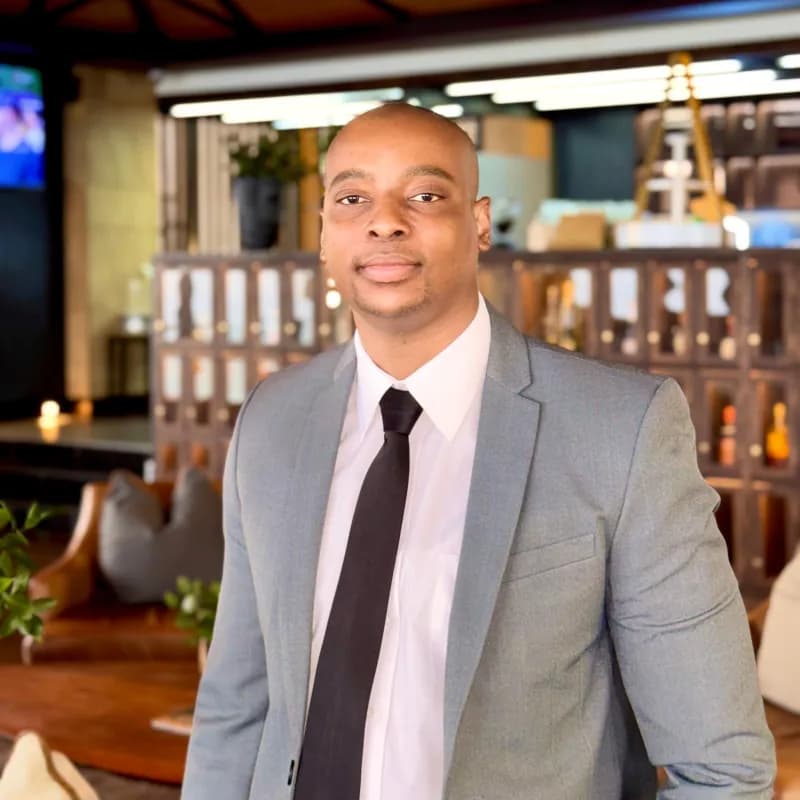
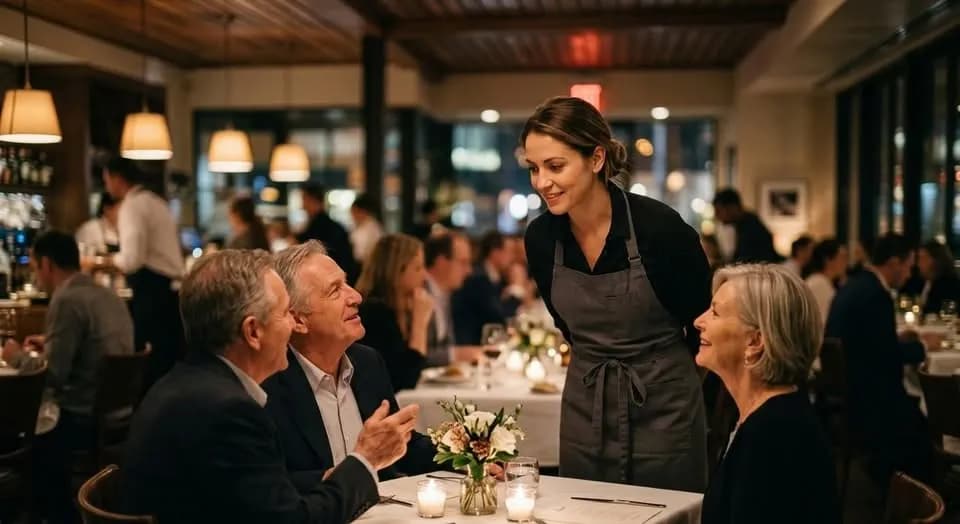
The mechanics of restaurant service can be taught to almost anyone. Carrying a tray, taking orders, clearing tables and presenting the bill are necessary parts of the job. But they are mechanics and they are transactions. True hospitality begins when the transaction is no longer the entire job. Guests expect service to be fast, accurate, consistent and there is nothing wrong with that. Restaurants need people who can get the basics right. However, if the interaction ends with simply processing a meal, the guest has been served without necessarily feeling welcomed.
The waiter’s job is to get the job done but for a hospitality professional that is only the baseline. Real hospitality starts with understanding that a guest is not a number. People visit restaurants for different reasons: a first date, a business dinner, a birthday, an anniversary or simply an evening away everyday life. A hospitality professional notices those differences. They read body language, listen to conversations and understand when guests want interaction and when they want privacy. They recognize opportunities to improve the experience before the guest has to ask.
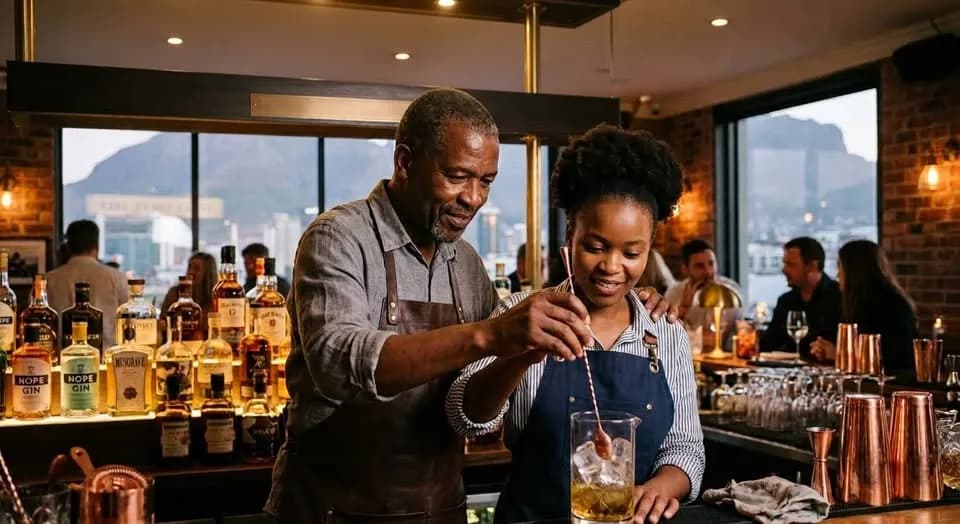
Consider a couple celebrating an anniversary. A waiter takes the order, delivers the food and clears the plates. A hospitality professional sees an opportunity to create a memory. It could be mean recommending a wine that genuinely suits the meal rather than the most expensive bottle, adjusting the pace of the course meals or arranging a small gesture from the kitchen. None of this necessarily requires spending more money, it requires paying attention. Knowing when to step in and when to step back is one of the most important skills in hospitality.
Good hospitality is not simply about being friendly. It requires product knowledge, emotional intelligence, communication and adaptability. A good server does not simply read the menu back to the guest. They understand the product well enough to make useful recommendations, manage expectations, communicate with the kitchen and bar. A great server notices problem early and resolve them without unnecessary escalation. Great food and a beautiful dining room mean little if a guest feels rushed, ignored or uncomfortable. Ultimately, hospitality is about how the guest feels and not simply what arrives at the table.
Career progression is not about doing more tasks faster, it is about understanding the operation. A professional begins to understand how the bar affects the floor, why the kitchen needs certain information and how reservations influence the pace of service. That knowledge eventually connects to sales, cost control, stock management, training and leadership. The focus shifts from an individual table to the entire operation and that is when a job can start becoming a career. QR menus, digital ordering and point of sale systems can improve efficiency, but it cannot tell you why. Technology records the transaction; hospitality understands the moment.
The tray is a tool, point of sale system is a tool and the menu is a tool. The real connection begins when the professional recognizes the human behind the order. The mechanics of service are teachable, but hospitality is developed through observation, experience, emotional intelligence and a willingness to keep learning. Anyone can learn how to carry a tray, but the real professional learns what to do once they put it down.
End of story.
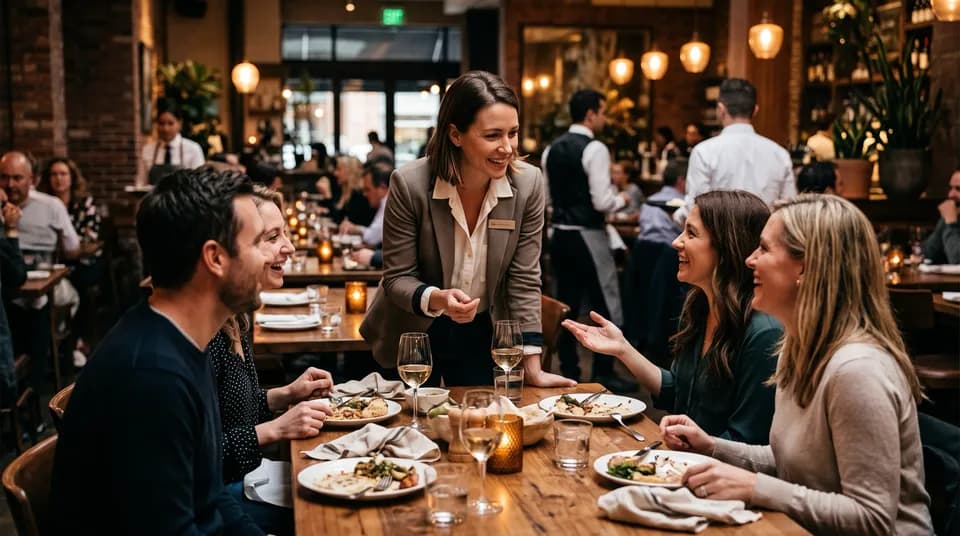
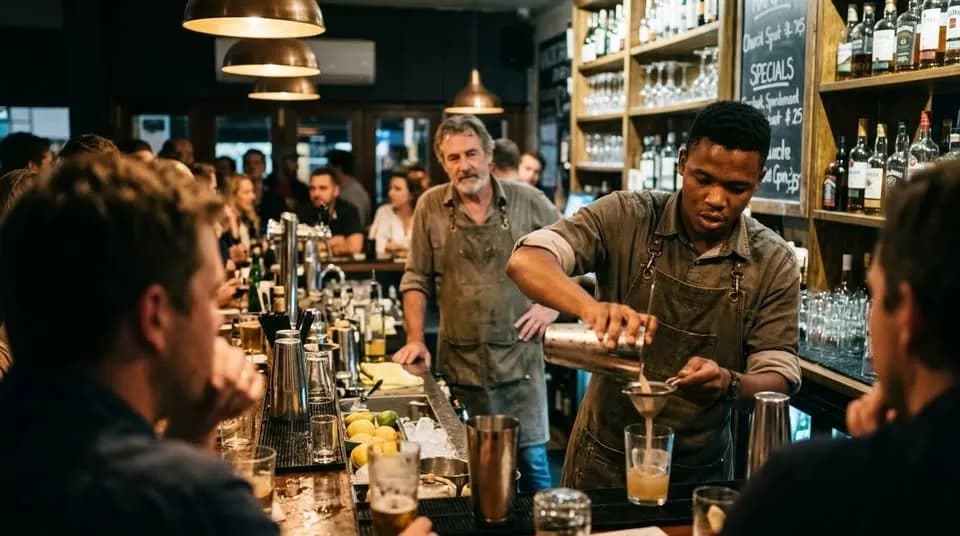
No comments yet. Start the conversation.