
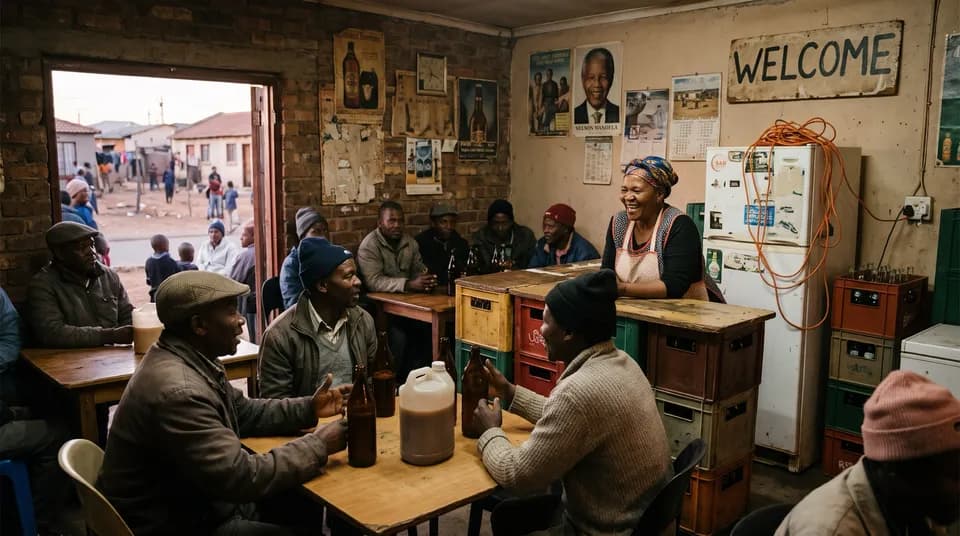
Before there were cocktail schools, hospitality qualifications and expensive bar training manuals, there was the shebeen. It was a woman running a small room from her home, a fridge plugged into an extension cord and a crowd of regulars who didn't need to introduce themselves. Nobody called it hospitality and nobody needed to. The people running those spaces understood something that today's industry sometimes struggles to teach remember your regulars, know when to step in, keep the peace and make a stranger feel welcome.
The shebeen was more than a place to have a drink. It was a social space, a meeting point and in many communities an important part of everyday life. People came to talk, celebrate, share their problems and escape the pressures of the day. The person behind that operation wasn't simply selling alcohol. They were managing personalities, relationships, expectations and occasionally difficult situations. That is hospitality in its most practical form.
Yet the formal hospitality industry often treats this history as a footnote. We celebrate cocktail culture, introduce menus featuring local spirits and talk about discovering authentic African drinking traditions, while overlooking the very people who kept those traditions alive. There is something uncomfortable about celebrating the culture while forgetting its custodians. When we do that, we lose more than history. We lose knowledge, experience and generations of practical hospitality skills.
There is plenty the industry could learn by listening. Speak to the older shebeen owners and hosts in your community. Ask how they handled a disagreement before it became a fight, what they did when stock ran out, or how they dealt with someone who had clearly had enough to drink. Ask how they remembered customers, built loyalty and managed a room full of different personalities without a service manual telling them what to do. Those conversations might teach you more about reading a room, managing conflict and understanding people than another generic customer-service workshop.
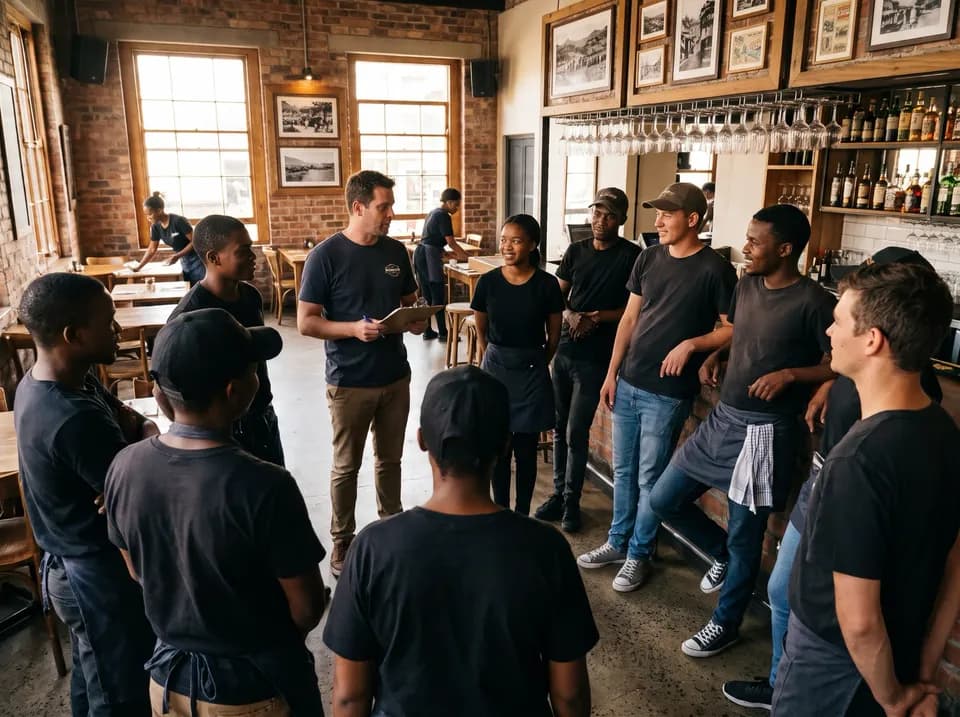
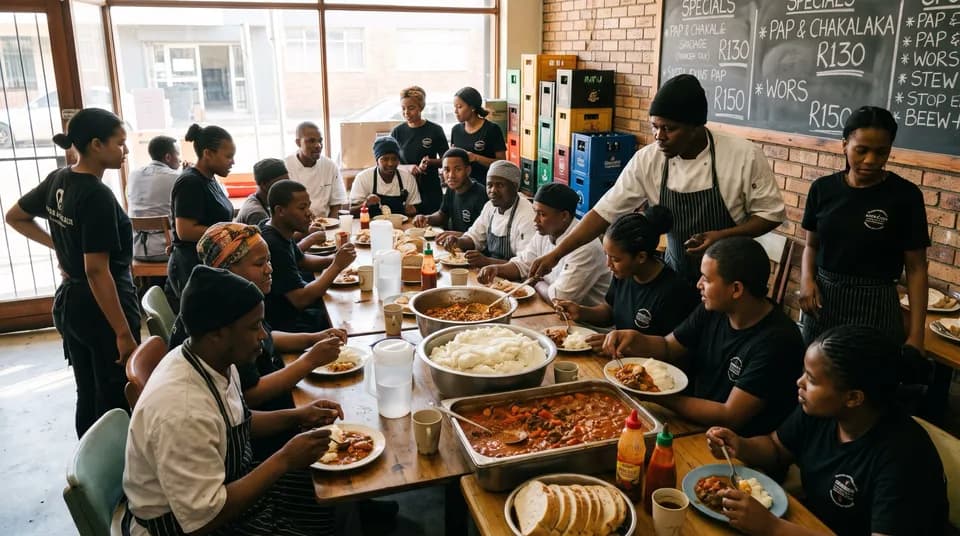
And this shouldn't stop at conversations. If the industry genuinely respects that knowledge, it needs to create space for the people who carry it. Credit their contribution, pay them for their expertise and invite them to lead training. Don't bring someone into a venue for a token cultural demonstration and send them home afterwards. Give them a meaningful role, a proper title and a seat at the table.
Anyone who has ever been welcomed through a township doorway knows that hospitality doesn't need polished uniforms, expensive glassware or a carefully rehearsed greeting. Sometimes it is remembering what someone drinks, noticing when they need help or making sure they get home safely.
Our industry spends a great deal of time teaching people how to serve a drink. Perhaps it's time we paid more attention to the people who taught us how to look after the person drinking it.
End of story.

No comments yet. Start the conversation.