
It used to feel like you walking into a restaurant. Someone would notice if you walked through the door. A quick smile, some eye contact, and maybe even a “welcome” that felt real. It felt less like a business deal for a moment and more like you had arrived somewhere that cared that you were there. That moment is becoming less common. You walk in and stop more often than not. You don’t know where to stand, the hostess is busy or looking down or walking by. You stand near the door, unsure if anyone has seen you, and wait for someone, anyone to notice you. It’s strange and it happens more often than it should.
Most people who work in hospitality know exactly what’s going on. Someone behind the bar or on the floor makes eye contact with guest, but nothing happens. No hello, no acknowledgement, just a calm standoff. It can sometimes be worse, the “ghosting.” People who work there move around like you’re not even there. You start to wonder if you missed something, like a system you should know about. It’s not comfortable for the guest, it becomes normal for the industry. That’s the issue.
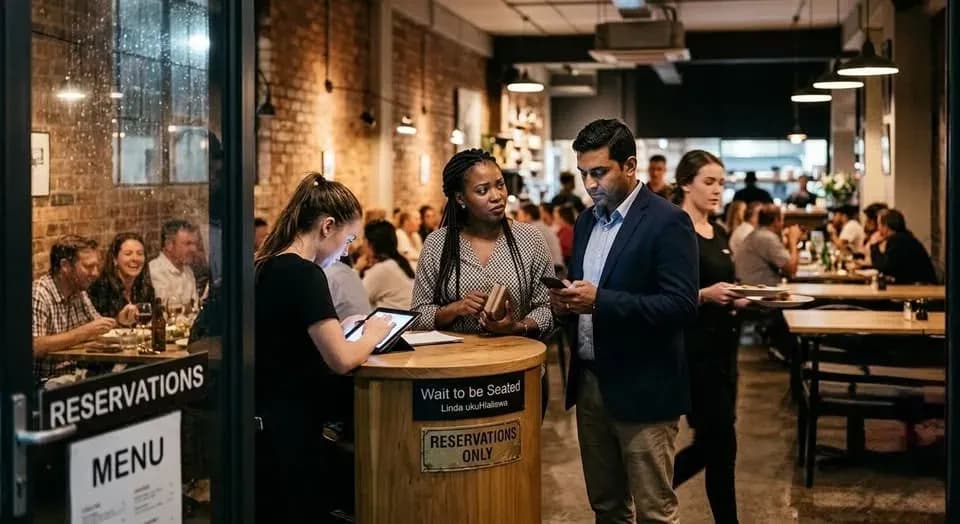
Technology was supposed to improve science, not take its place. But in a lot of restaurants, it’s the other way around, with technology replacing personal interactions and making the experience feel impersonal. Hosts are busy with screens, checking reservations, managing tables, and updating systems. People are paying more attention to the iPad than to the guest. So, the first time you talk to someone isn’t a greeting anymore. It’s a question, “Do you have a reservation?” No one looks at each other, no welcome, just get through with it. It immediately alters the atmosphere. The guest feels like a reservation, not a person.
Restaurants have changed how they do business because of staffing issues. Many teams are smaller, busier, and have to do more with less. When that happens, things change. Taking care of orders, clearing tables, and running food become the main things to do. The welcome starts to feel like something you don’t have to do. Something that can wait, but it shouldn’t be. The first moment sets the tone for the whole thing. The quality of the food later becomes irrelevant if a guest feels ignored at the door, the experience doesn’t feel right yet. Additionally, people can experience burnout. It takes energy to stay warm, present and involved. When staff is exhausted, they go back to their usual routines. Movements become second nature, conversations get shorter. The service’s human side starts to disappear.
The front door isn’t the same as it used to be. It’s not just coming over for dinner anymore. Delivery drivers come and go, phones in hand, rushing to meet deadlines. It never stops moving or interrupting, that changes how the space flows. It makes the entrance feel like a business deal instead of a welcome. In that setting, it’s easier for real guests to feel like they’re in the way instead of being expected. In the hospitality business, it’s a simple truth that people remember how they were treated first. People become angry quickly if they walk in and have to wait too long to be noticed. The tone has already been set, even if things get better after that. But a quick acknowledgement, like a nod and “we’ll be right with you” makes all the difference. The guest calms down, they know that people have seen them. That little moment makes more than just service better, it makes people trust you.
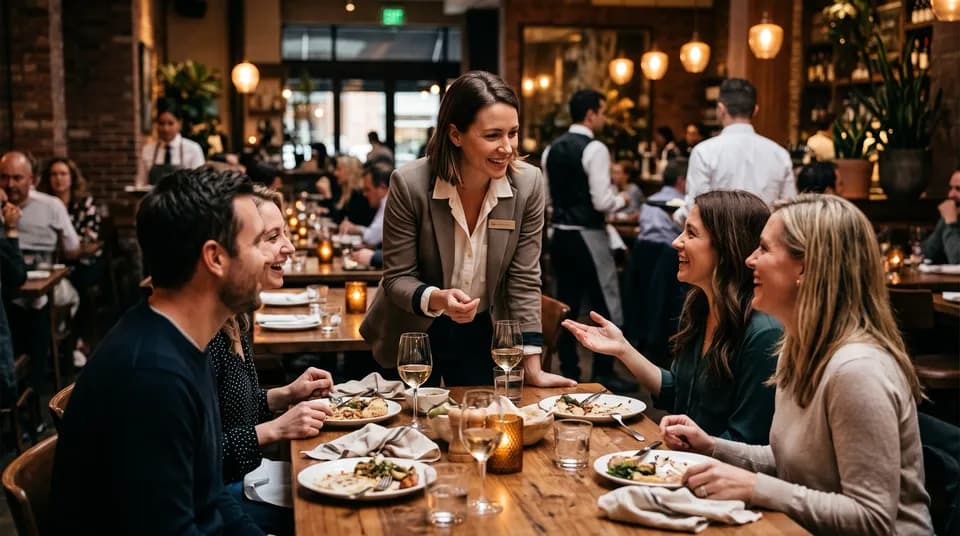
You don’t need a system or more money to fix this problem, it’s about changing your mind and small habits. Say hello to guests right away. A brief look up and a few words can go a long way, even if you’re busy. Teach your employees to look up when the door opens, not after they finish what they’re doing. Use technology as a tool, not as a problem. The screen should help with the interaction, not take its place. Most importantly remember that the guest is important from the start, not just when they sit down or order. Hospitality has always been about doing simple things well. A hello, look at each other and being present. We still know how to do these things; we just stopped putting them first. Until that changes, more and more guests will keep going to restaurants and feeling like they don’t exist.
End of story.
No comments yet. Start the conversation.