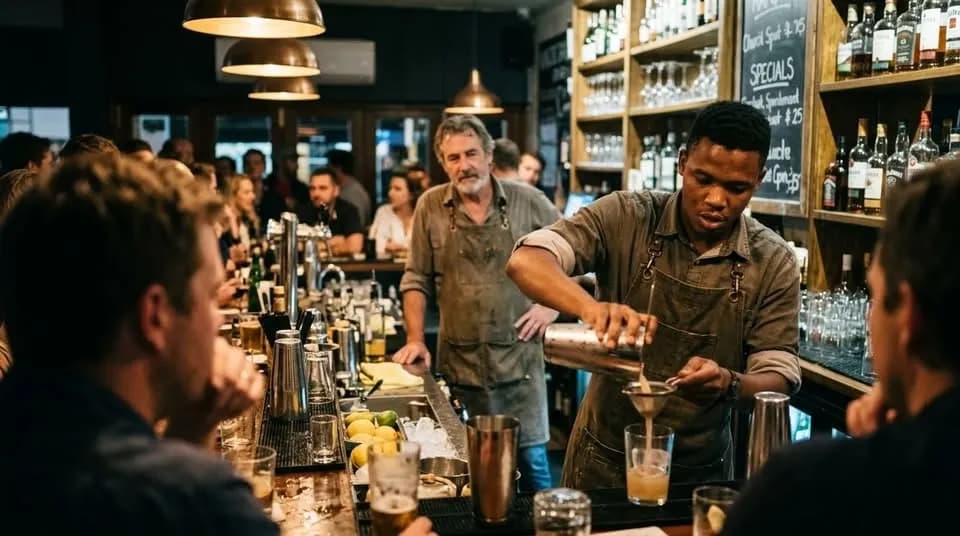
Walk into any modern bar during peak service and you’ll see controlled chaos, cocktail shakers snapping shut, orders stacking up, guests ask for something different telling you to surprise them.
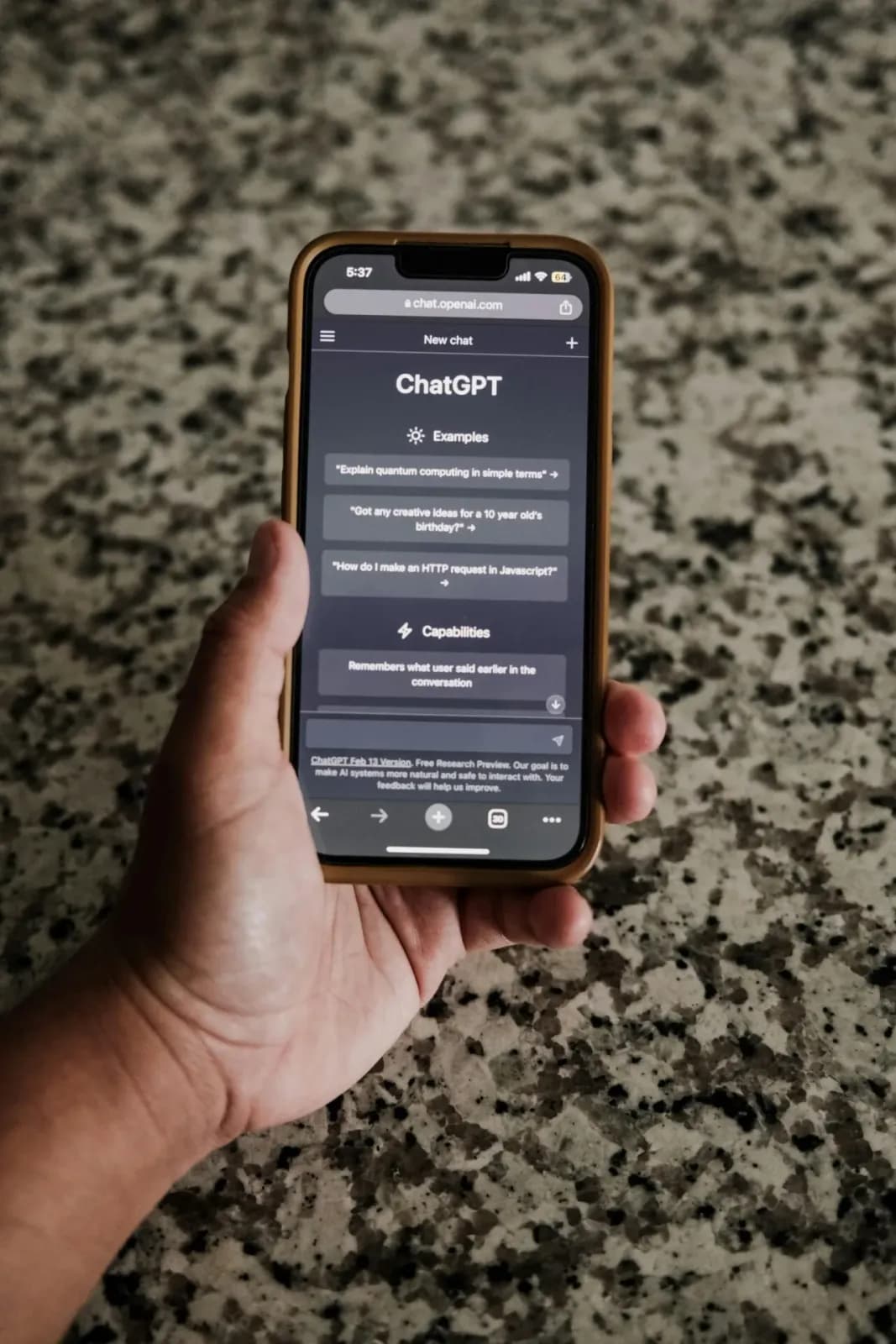
Now imagine this, instead of digging through your mental library of creativity and understanding of flavour pairings. You quickly go onto ChatGPT and type: “Create a refreshing gin cocktail with spice and a seasonal twist.”
Within seconds, you’ve got a full recipe, measurements and garnish. Even a polished name ready for the cocktail. But is this a revolution in creativity or are we quietly outsourcing the very thing that defines bartenders?
Let’s be honest, creative burnout is real I’ve also been there as a mixologist. After years of making whiskey sours, margaritas and reinventing a few mojitos. I do have to say inspiration can run dry. ChatGPT offers speed and scale. And in an industry where time is tight and competition is high, that kind of efficiency is tempting. But speed isn’t the same as craft.
Here’s the truth: AI understands flavour theory, not flavour experience. It knows acidity balances sweetness. It recognizes that bitterness adds structure. It can analyze hundreds of classic recipes and identify patterns. What it can’t do is taste. It doesn’t know when citrus is slightly under ripe. It can’t sense when dilution is perfect. It doesn’t taste when spiciness from chili overwhelms a delicate spirit.
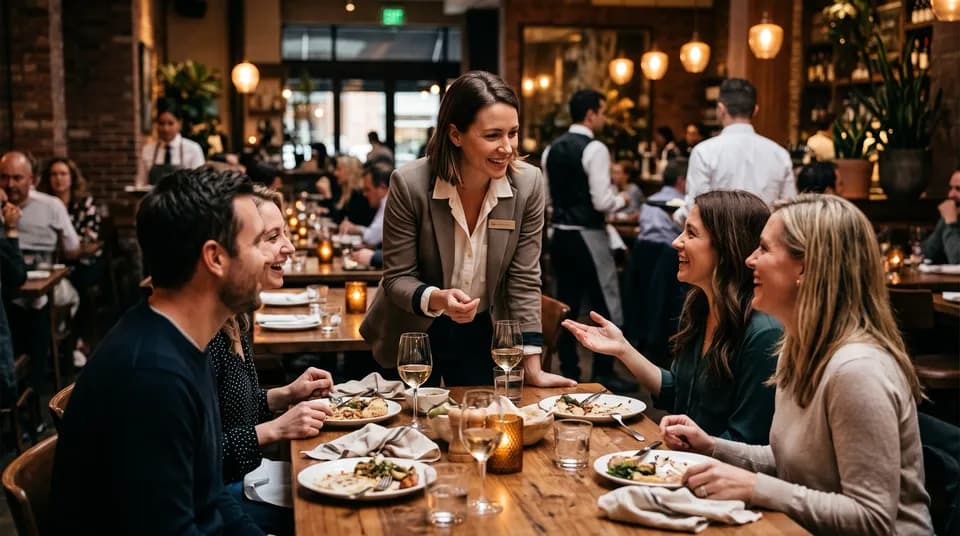
Cocktail creation is only half the job. Hospitality is the other half and arguably the more important one. Guests don’t always say what they mean. Someone asking for “something strong” might want bold flavours not high alcohol. Someone saying “surprise me” might actually prefer something safe and balanced. Reading body language, hesitation and some emotional intelligence will tell you what drink would be perfect for them. AI doesn’t know when to turn a drink into a moment. A great bartender doesn’t just follow a recipe; they respond to people.
The danger isn’t that AI replaces bartenders. The danger is that it makes us lazy. If we rely heavily on generated recipes, we risk weakening our creative muscles. Experimentation might slow, signature cocktails and styles might blur. Menus could start to feel less authentic and less expressive but soulless. Craft evolves through curiosity, through trial, error and hands on discovery. That process matters, many classic cocktails we have today went through this process.
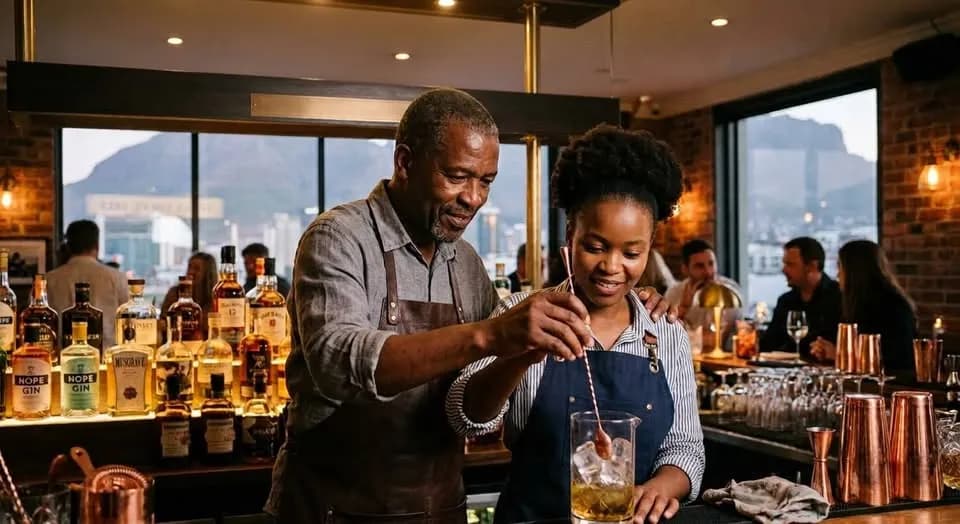
The bartenders who thrive won’t reject AI outright. They’ll use it wisely as a spark not as a substitute. But the soul of the drink, the balance, the story, the intention still comes from the person holding the shaker.
End of story.
No comments yet. Start the conversation.