

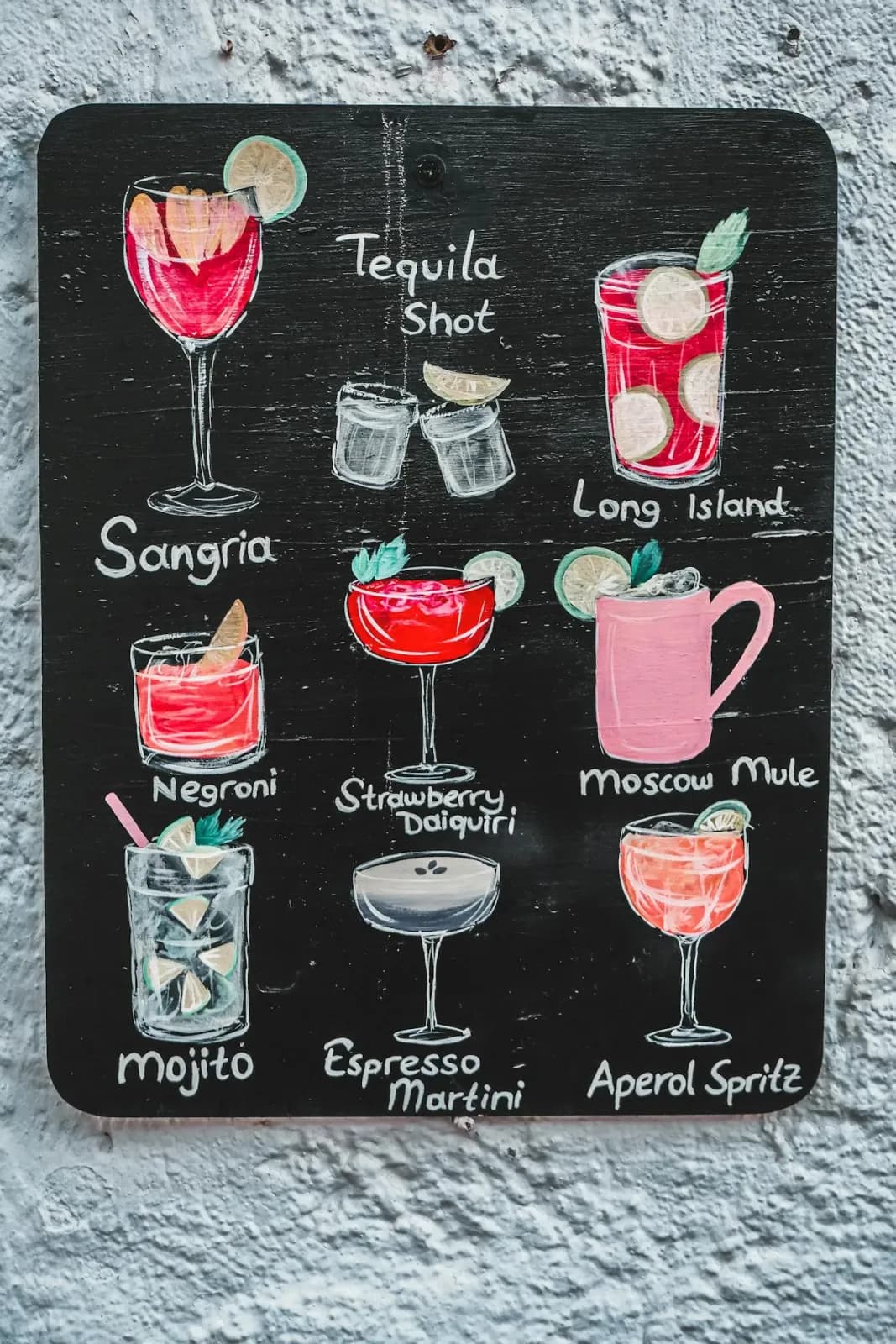
Something odd is happening in South African cocktail bars. Menus are shrinking. Not because bartenders have run out of ideas but because they’ve run out of room to use them. Across Durban, Cape Town and Johannesburg, thick signature menu lists are being replaced by the same familiar classic cocktails: Strawberry daiquiris, Mojitos, Pina Coladas and Long Island Iced Teas. Safe and recognizable drinks, drinks that move quickly and don’t scare anyone at the table.
If this looks like a creative retreat, that’s because in many cases it is. Not on the part of bartenders but on the part of the businesses that employ them.
Imported liqueurs are expensive. Exotic fruit is unpredictable. Waste cuts into already thin margins. When a bar manager looks at a cocktail menu, the temptation is obvious: trim the list, standardize the builds, order ingredients that can be used across ten drinks and eliminate anything that risks sitting on a shelf.
Classic cocktails become the perfect solution. They rely on a narrow set of core ingredients. They’re fast to train and they are easy to cost. They reduce prep and limit wastage. That doesn’t make them boring, but it does make them convenient. And convenience can quietly crowd out experimentation.
Ask most working bartenders and you’ll hear the same thing. The ideas are there, new syrups waiting to be made and local botanicals waiting to be explored. Fermentations and infusions that never make it onto a menu because the numbers don’t justify them. A proposal for rotating seasonal drinks instead of the standard four frozen options. These ideas often die in a meeting.
What guests see as “clean and classic” is sometimes a compromise hammered out between creativity and control. The result is a strange sameness across venues. Different logos on the wall, identical drinks in the glass.
Most customers don’t know or aren’t taught how technique hides inside a cocktail. Acidity balanced, temperature, dilution and aroma. The difference between a shaken and stirred cocktail. When innovation appears, it’s often met with suspicion. Why is it sour? Why isn’t it sweet? What’s in this? Can I just get a mojito?
Bars learn quickly. Risk doesn’t always pay. Which leaves bartenders stuck in the middle: capable of far more than the menu allows but measured by how quickly they can make frozen classics on a busy Friday night.
This isn’t about egos disappearing, it’s about systems tightening. About operators protecting margins. About guests ordering what they recognize. About creativity being filtered through inventory sheets and POS data. None of this means innovation is gone. It means it’s being rationed.
The danger isn’t that bars stopped making great cocktails. It’s that a whole generation of bartenders whose broader skills becomes invisible to customers that never ask what else they can do. Yes, shorter and simpler menus are great but they ‘re warning sign of creativity trimmed to fit a cost sheet.
If South Africa wants a world-class cocktail culture, it can’t rely forever on four safe sellers and a laminated recipe card. It needs owners willing to support experimentation and guests curious enough to drink it.
Because the most interesting cocktails in the country are often not the ones on the menu. It’s the signature cocktails that the bartenders aren’t allowed to make.
End of story.
No comments yet. Start the conversation.