

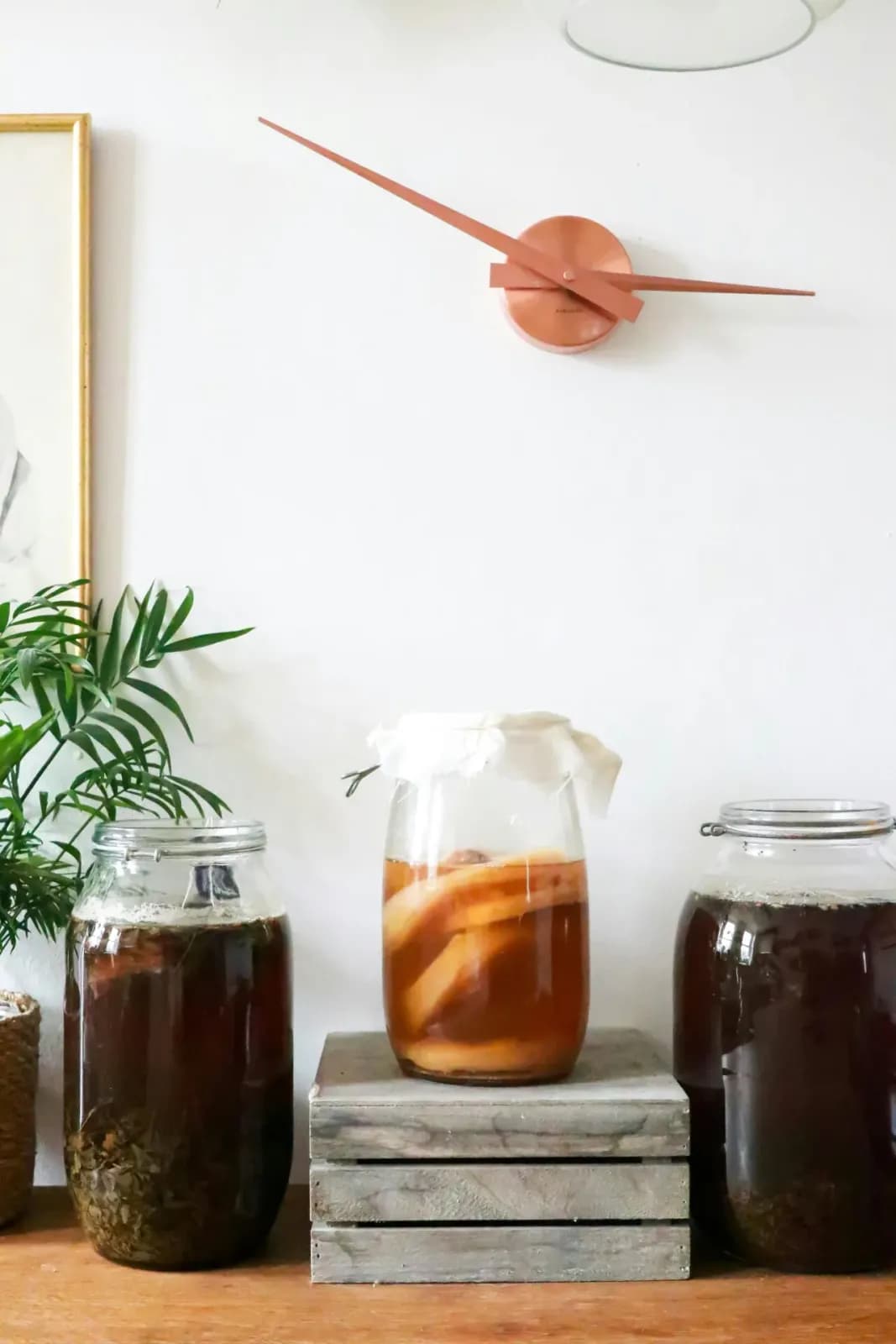
If you work behind the bar right now, chances are your Instagram feed looks the same as mine. Someone opening a plastic tub full of bubbling pineapple skins. Foam creeping up the sides. A caption that says “Day 4 tepache” or testing a new house ferment.
A few years back, that would’ve felt like something only hardcore homebrewers were doing in their kitchens. Now it’s showing up in serious cocktail bars, hotel programs, even neighborhood spots that used to just pour draught and vodka sodas. Fermentation has officially entered the chat.
Not as a gimmick. Not as something to show off online. But because it makes drinks better and because bartenders are always hunting for the edge that keeps a menu interesting and a guest coming back.
For generations, people across Africa have been fermenting without calling it trendy. Mahewu, Amasi, Sorghum beer. We understand what time, microbes, and patience can do to flavour. What’s new is seeing that same thinking applied to cocktails, fruit bubbling in salt, citrus peels turning into soda bases, syrups slowly changing character in the prep fridge.
Behind the scenes, it’s organized chaos. Containers stacked in the walk-in. Dates written in koki on lids. Someone carefully unscrewing a jar over the sink because last time it exploded. The kind of projects you start on a quiet Monday and suddenly everyone on the team is checking daily like it’s a science experiment.
Let’s be honest, bartenders wouldn’t bother if it didn’t taste good. Lacto-fermented strawberries bring this sharp, savory brightness that makes a margarita pop. Koji can turn a boring sugar syrup into something rich and layered, perfect with whiskey or rum. Wild-fermented sodas soften citrus and give a natural fizz that feels more alive than anything you crack open from a bottle.
One thing about South African drinkers, they’re curious. They’ll ask questions. They want to know where the ingredients came from, who made it, why it tastes different from the last place. Fermentation gives you proper answers. You can talk about the pineapple skins from the fruit stall down the road. The peaches you bought at the market. The jar that’s been alive behind the bar for two weeks. Suddenly it’s not just a cocktail it’s a story, something personal.
Pineapple trims become Tepache, strawberry ends become shrub. Carrot peels go into brine for Bloody Marys. Lemon skins become a tonic base. Instead of throwing it away, you turn it into a feature on the menu. Less waste, more creativity and ingredients that actually reflect what’s in season.
Guests want something complex without alcohol, not just a cranberry juice with mint slapped on top. Fermented drinks are perfect for that. Kombucha, kefir, shrubs, wild sodas, they’ve got acidity, bitterness, texture and length. All the things that make a cocktail satisfying minus the alcohol in it. No more apologetic mocktails, these are the drinks people choose because they sound good.
So next time you see “lacto-fermented” or “house-cultured” on a menu, order it.
End of story.

No comments yet. Start the conversation.