

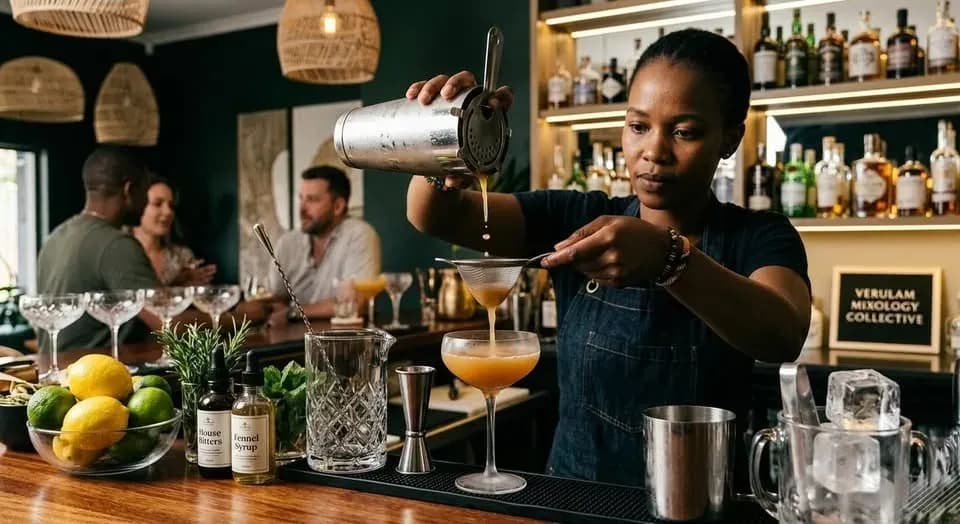
Mixology is more than putting ingredients together in a glass; it’s a complex mix of chemistry, technique, and visual storytelling. Anyone can follow a recipe, but true craftsmanship means knowing why a drink works, not just how to make it. To go from mixing drinks at home to doing it professionally, you need to be intentional and precise and have a deeper respect for each ingredient in the glass.
Structure is the most important part of making outstanding cocktails. Skilled bartenders don’t have to memorize a million recipes. Instead, they use basic ratios that define whole groups of drinks. The daiquiri and margarita are two famous drinks that use the classic sour ratio of two parts spirit, one part sweet, and one part sour. At the same time, cocktails like the Manhattan or Martini that many spirits in them use a simple two to one ratio of base spirit to fortified wine. When you really understand these frameworks, being creative becomes much easier.
Ice is often thought of as an afterthought, but it is crucial for both temperature and dilution. The size and clarity of the ice directly influence the drink’s transformation in the glass. Large, dense cubes cool down slowly, which keeps the integrity of spirit-forward cocktails. On the other hand, crushed ice speeds up dilution, which makes it perfect for lighter, more refreshing drinks. The quality of the ice itself is just as important. Impurities and smells can quietly ruin a well-made drink, making taste it awful and ruining a well-made drink and the whole experience.
Technique is what makes the difference between the average and the outstanding. It is important to know when to shake or stir. Shaking adds air and texture, which is important for cocktails that have citrus, dairy, or egg whites in them. Stirring, on the other hand, keeps spirits-only drinks clear and smooth in the mouth. Double straining and other small details improve the final product by getting rid of unwanted ice shards and pulp, which makes the finish cleaner and smoother.
No amount of skill can make up for inferior ingredients. Fresh citrus is a must-have because it adds brightness and depth that bottled versions can’t match. Syrups also let you be creative, whether you want to add weight with richer sugar blend or add layers of flavor with infusions. Bitters, even though they are used sparingly, bring the drink together by smoothing out sharp edges and adding balance.
The presentation is the last part of the experience. A well-made cocktail should taste as appealing as it looks. Chilled glassware keeps things at the right temperature and improves texture. Properly expressed citrus peels add a smell that makes a strong first impression. The type of glass you should use is also important, a drink should fit comfortably in its container and look full, balanced and inviting.
The most important thing for a real mixologist to do is to always taste. Recipes are not rigid; they merely serve as guidelines. Mixologists must make changes in ingredients, such as the acidity of the fruit or the strength of the spirit, right away. The key to making a wonderful cocktail is learning how to improve it as you go. Ultimately, mixology isn’t about making things hard just for the sake of it. It’s all about balance, intention, and the quiet discipline of getting the little things right every time.
End of story.




No comments yet. Start the conversation.