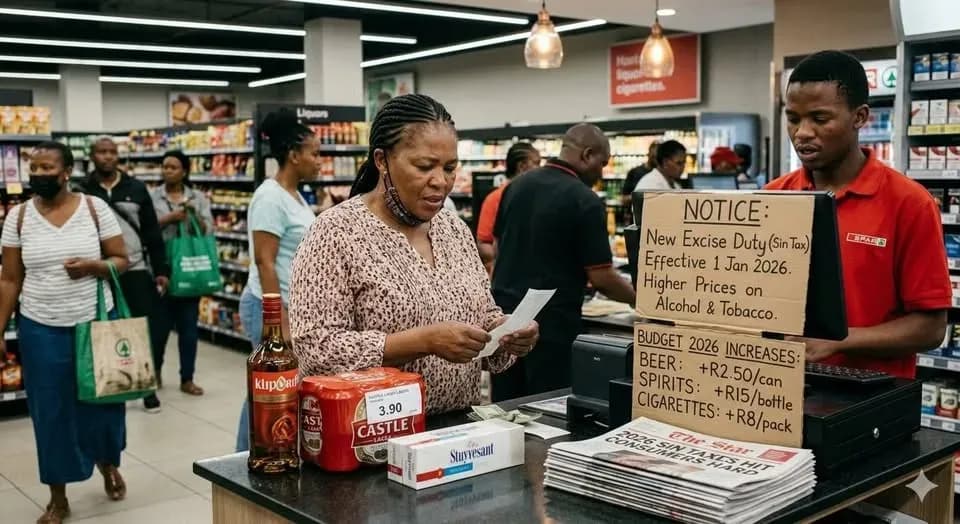
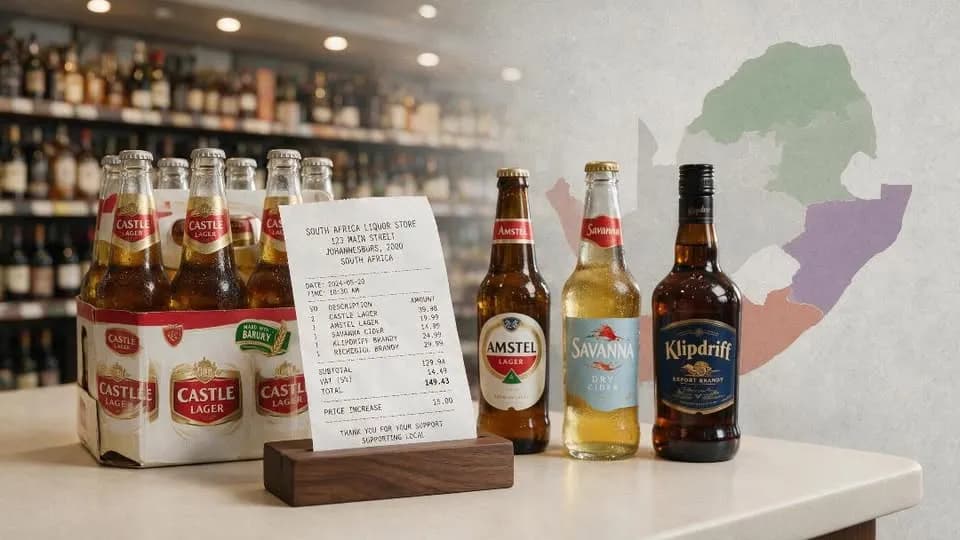
When South Africans talk about “Sin Tax” the focus is usually on what a bottle costs at the liquor store. For the hospitality industry, the 2026 3.4% excise duty increase isn’t another line in the national budget.
It’s a revenue grab and South Africa’s hospitality industry is the easy target. This percentage may sound small on paper, harmless and in line with inflation. But inside restaurants and bars it’s pure suffocation and people paying for it are restaurant owners, bartenders, waiters and eventually customers.
In most South African restaurants, food doesn’t make the real money. It covers costs like rent, electricity, water and staff wages. The actual profit? That comes from the bar, so when excise duty goes up, it creates a problem with no clean solution. They’re actually taxing the only profitable part of the restaurant business model.
There is a ceiling in South Africa. You cannot keep pushing a cocktail from R120 to R135 and expect customers to smile and order another round. Eventually the second round disappears, the dessert wine or Dom Pedro gets skipped and the bill closes early. Volume drops, margins shrink, staff tips begin to fall, and the government still collects.
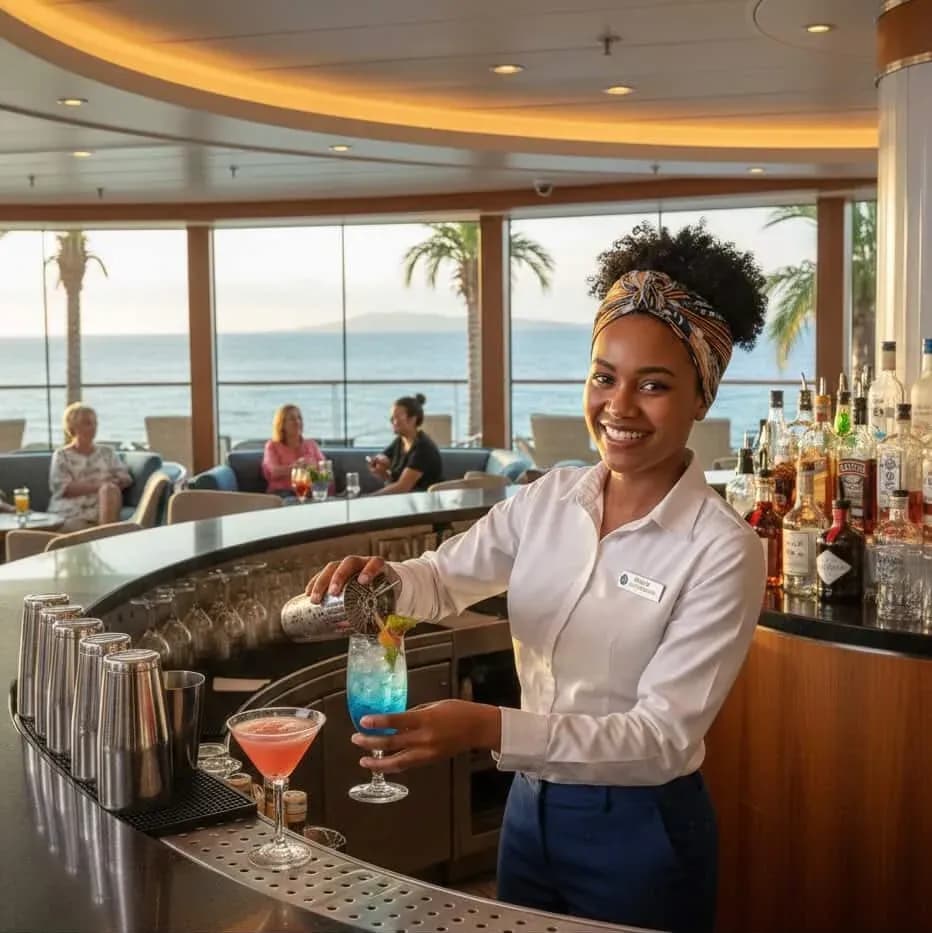
Let’s say it plainly. When drink prices increase, tips decrease. The customers feel the pinch and they adjust gratuity. That missing percentage doesn’t come from Treasury; it comes from the bartender’s pocket. The hospitality industry is not the sin; It employs thousands, trains young professionals, drives tourism and creates culture. Bars are not crime scenes and restaurants are not moral failures. Yet every year with the budget, alcohol becomes the convenient lever. Why? because it’s politically safe, because it’s easy or because no one marches for bartenders and restaurant owners.
The R135 cocktail is not expensive because hospitality is greedy, it’s expensive because the industry is taxed before it can breathe. The bartender behind the bar is not overcharging you, they’re trying to keep their role relevant in a system that sees them as collateral.
The bartender works harder to justify the price, and the owner recalculates survival every quarter. If policy continues to squeeze the industry that creates jobs, culture, and tourism, eventually there will be nothing left to tax. So dear Treasury, hospitality is not your stabilizer fund, not your moral battleground and definitely not an infinite ATM.
End of story.

No comments yet. Start the conversation.