
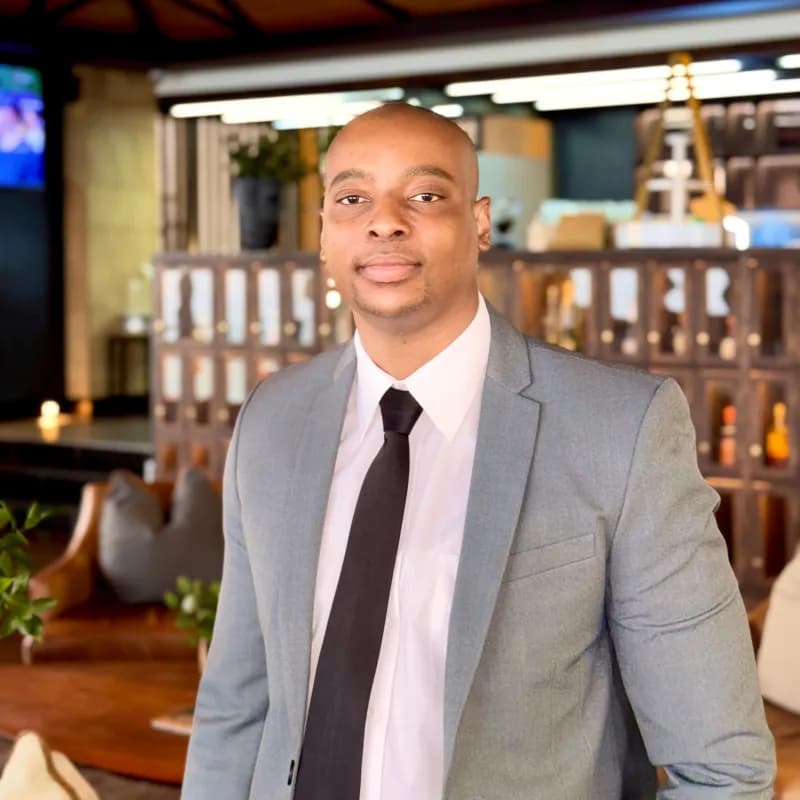
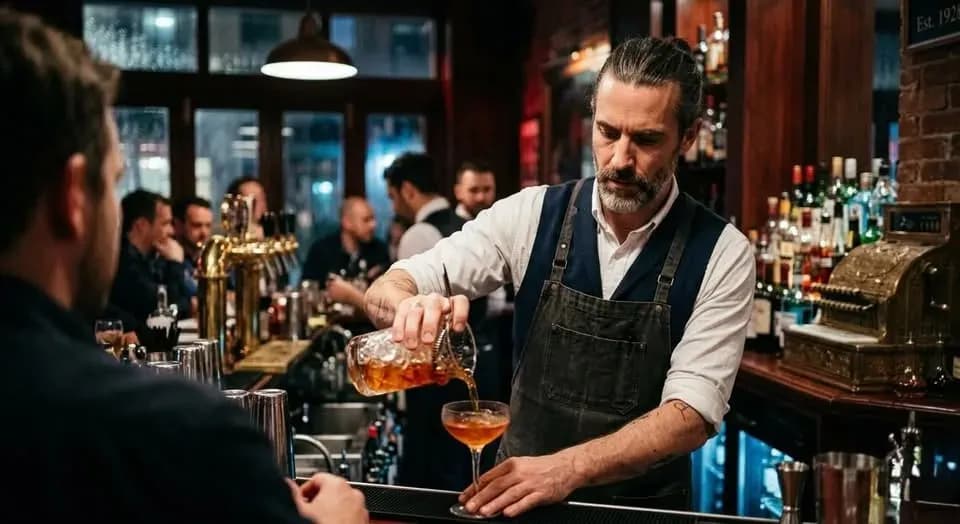
Almost every bartender has heard these questions more times than they can count:
“Are you still here?'”
“Is this work just a side job for you?”
“Are you studying something else on the side?”
People don’t usually ask it with malicious intentions. But there is a quiet assumption underneath it: that bartending is only temporary, transitional, or not enough. And for those who have spent years, sometimes decades on the craft, that question says more about how people see things than it does about how they really are. Bartending still has an old-fashioned image. For many people, the bartender is a student making extra money, an artist waiting for their big break, or someone who is just passing the time between “real” jobs. People see it as a temporary fix, not a final stop.
But this way of thinking is contradictory. The same person who you are casually asking about their job is also in charge of making sure you have a good time, keep you safe and make sure everything you eat and drink that night is good. There aren’t many jobs that have that level of real-time responsibility and get so little credit. Many people think that working behind a bar doesn’t require much skill because you don’t need a formal degree. In reality, though a lot of people can pour a drink, but very few can handle the speed, stress, and accuracy of a full-service shift.
Then there’s the “party” stigma. Bartending looks like a lot of fun from the outside, there’s music, energy and talking. What you can’t see is the discipline that goes into it: controlling inventory, timing, coordinating, and making decisions all the time when you’re under pressure. There is also a deeper cultural bias at work. In many places, service roles are still considered less important. People still think that helping others means abandoning goals, even when the work itself requires a lot of skill.
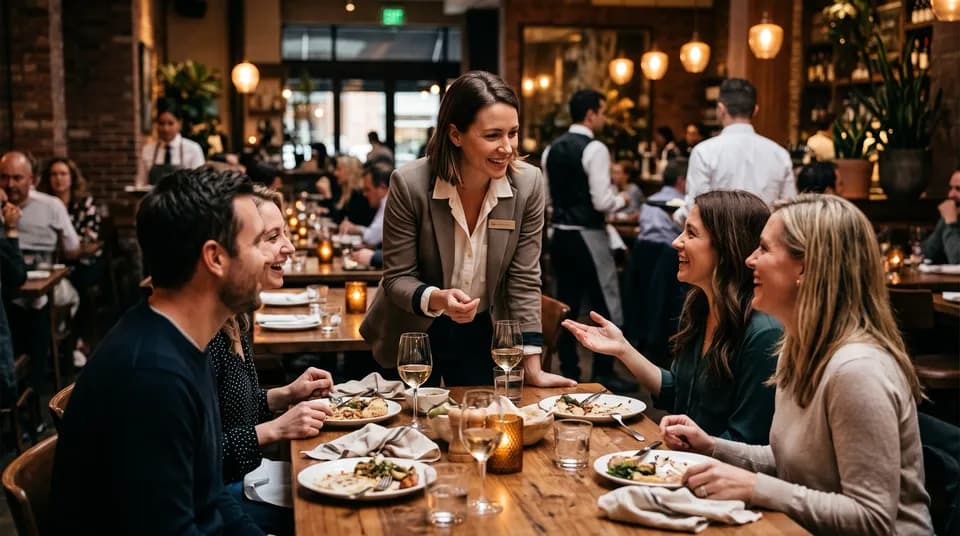
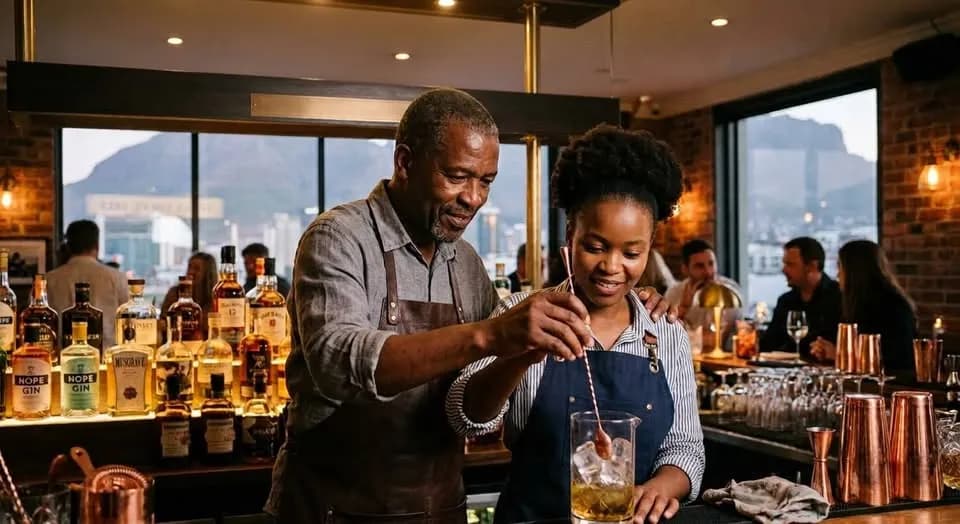
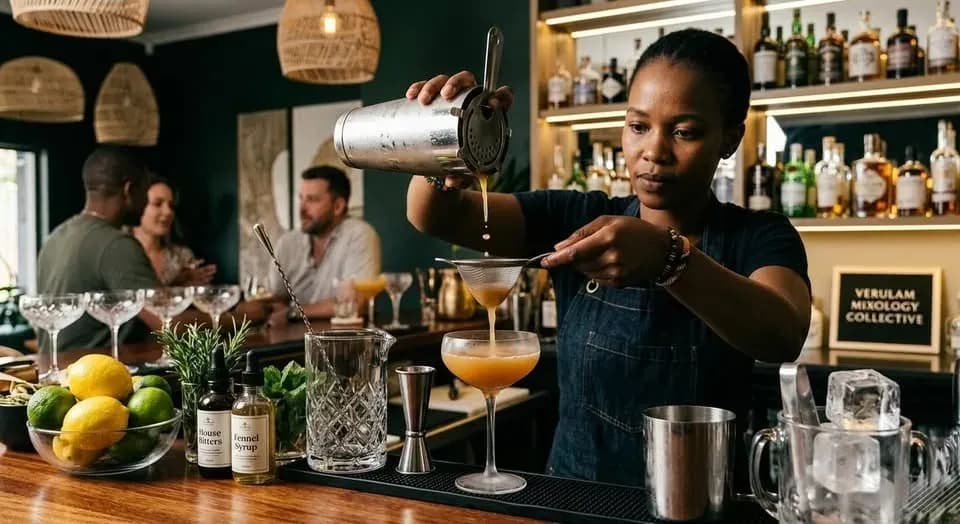
Bartending is a complicated and challenging job for people who work in the field. You need to know how to balance things and how flavors work together to make something smooth and consistent. But more than that, it’s about people. Bartenders know how to read a room. They keep control of an environment that can change in seconds, handle different personalities and calm people down. They are hosts, mediators, and sometimes even therapists, all keeping the service going.
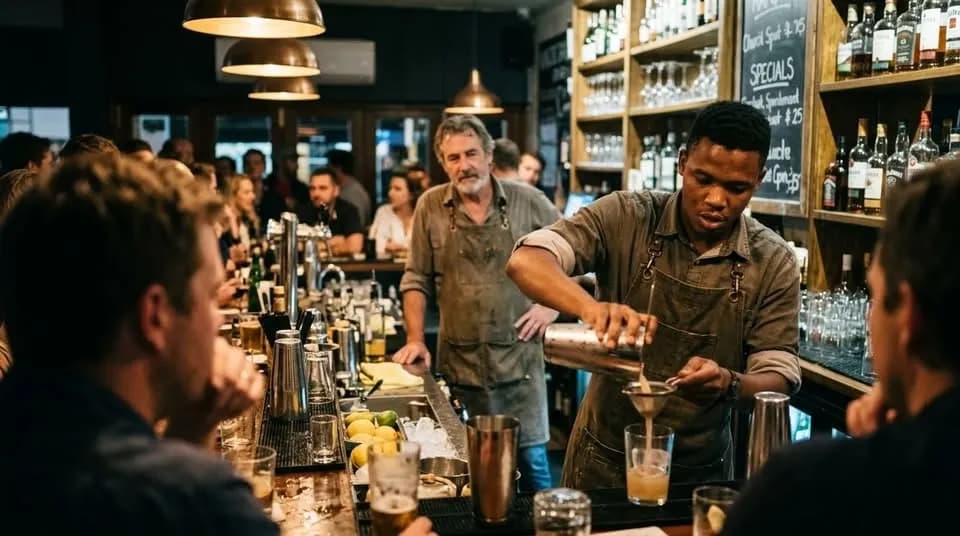
The job is just as challenging behind the scenes. It all happens at the same time: managing stock, keeping up with hygiene standards, handling cash and doing a lot of work. Long hours on your feet, doing the same thing over and over again, and working in high-stress situations make it clear that this job is not casual work. The importance of those individuals who inquire, “Are you still here?” are often seeking to understand, why have you not progressed to another position?
But for a lot of bartenders, there is no place to “move on” to because the bar is where they want to be, bartending is the craft they want to get better at. This profession is where they built their skills, their identity, and often their way of making a living. A bartender who works professionally isn’t waiting for something better. They are already doing an impressive job of balancing product knowledge, speed, customer experience, and making money in real time.
Changing how people think about bartending isn’t about pride; it’s about respect. When a job is thought to be temporary, it’s easier to explain why the pay is low, the conditions awful bad, and there isn’t much professional recognition. Bartending is a skilled job, and that’s the truth. It is based on experience, people and performance. It takes a long time to become great and even longer to stay great. Please consider the question again during your next visit to a bar. Instead of asking “Is this your part time job?”, stop to see what’s really going on: a professional at work. Someone responsible for a lot more than what you can see, making sure that your experience is smooth, safe and worth coming back for.
End of story.
No comments yet. Start the conversation.